Search for your favourite chilli or hot sauce here

Showing posts with label Chilli Facts. Show all posts

Sunday, 5 June 2011

Elephants Hate Chilli


Did you know farmers in Africa and on the Indian subcontinent have found the use of chilis effective in crop defense against elephants. The chillis are spread on fences and other structures to keep the elephants away. Because the elephants have a large and sensitive olfactory and nasal system the smell of the chilli causes them discomfort and deters them from feeding on the crops. This can lessen dangerous physical confrontation between people and elephants. They even make sauce from the chillis produced by the plants, Ive not managed to get my hands on any yet to try but click here to see if they have any in stock and let me know what its like.

http://web.archive.org/web/20071226181749/www.elephantpepper.org/

Monday, 2 May 2011

Chilli Pepper Anti Cancer effects

The Chile pepper has shown anti-cancer effects in research with mice. Capsaicin, the active ingredient in chile pepper and the source of its heat, is the cancer-fighting element.

Capsaicin is also thought to have many posotive properties: Boosting metabolism, lowering the risk of ulcers, improve heart health and relieveing muscle pain and itchiness

Research led by Bharat Aggarwal, Ph.D (Professor in the Department of Experimental Therapeuticsusing) into capsaicin nutraceuticals in mice resulted in suppressing and blocking pro-inflammatory pathways in cancer cells.

"Symptoms common in cancer patients, such as depression, fatigue, neuropathic pain, metastases and tumor growth, are due to inflammation. By using capsaicin, we can inhibit these things."

Also, major risk factors for the most common types of cancer, such as obesity, alcohol, tobacco, radiation and environmental pollutants, are linked to cancer and its metastases through chronic inflammation.
A study tested capsaicin cream for the management of surgical neuropathic pain in 99 cancer patients. Each used capsaicin cream for eight weeks followed by eight weeks of placebo cream on painful sites four times daily. Despite experiencing side effects of skin burning and redness, patients preferred capsaicin cream to the placebo for its pain-relieving qualities.

My Partner is running to raise money for Macmillian cancer support to help pateints with cancer ifyou are interested you can support her charity run here and help the patients that need it most


Though further studies are needed to better understand capsaicin's potential in the prevention and treatment of human cancer. Aggarwal believes that using capsaicin nutraceuticals as an option in cancer treatment, with a physician's consultation, shouldn't be overlooked.

For me this further supports my chilli eating habbit and spreads the word about the increasing health benefits of this wonderful innocent looking pepper. You can read the full article here:

http://www2.mdanderson.org/cancerwise/2011/04/chile-pepper-cancer-cant-stand-the-heat.html

Monday, 3 January 2011

The Chili Pepper Institute

I came across something exciting today while browsing the web and thought I would share with you all. Did you know that there is an institute dedicaled to the humble chilli pepper!!! See below this quote from their site in the 'about us section' the content of the site is great..... I will have to consider my next holiday plans now...

"The Chile Pepper Institute is an international nonprofit organization devoted to education, research, and archiving information related to Capsicum. Since its inception in 1992, it has been a recognized research institute in the College of Agricultural, Consumer and Environmental Sciences at New Mexico State University.

The Institute collaborates with the New Mexico State University Chile Breeding and Genetics Program to preserve chile germplasm, of both cultivated and wild species, and to advance the studies of chile pepper diseases. Furthermore, the Institute seeks to be an authorative source of all types of information regarding Capsicum.

The Institute is housed on the main campus of New Mexico State University, in Gerald Thomas Hall room 265, and is officially known as the Chile Pepper Institute Center for Chile Education."

Friday, 31 December 2010

Grow Your Own Chilli Plants: The Basics

In response to a few requests here is my notes on basic chilli plant growing from seed ready for 2011 planning. There are many grow your own guides out there and many go into much more detail which can be useful but chili pepper growing does not have to be complex or difficult, just fun! so have a read and get started and enjoy your 2012 growing season.

Growing your own red hot chillis from seed can be very rewarding!Whether you are growing indoors or outdoors, anyone can do it and you don't have to be into gardening or a great gardener to be successful! All you need is some seeds, compost and seed trays/small pots. Then a sunny space, a little care and in no time you will have your own beautiful plant brightening up your home and cooking!


Where to Begin:

Jalapeno Chillis

The key to good chili plant growth is finding a nice sheltered sunny spot. Then just keep them watered and fed throughout the growing season. I have found that some types grow easier and better than others. The fun will be finding out which ones work for you. A good place to start though is with Jalapeno seeds (sometimes called pizza chillis in garden centres) or maybe the Apache Chilli. I have found these to be very hardy and successful plants.


Sowing the Seeds:

Chillis need a temperature between 18C and 22C with lots of light. The seeds first need to be germinated indoors to protect them from the cold. If you have a greenhouse or a Propagator (cheap and easy to pick up from and local DIY/garden centre) you can put the seeds in as early as February. If not sowing is best left until late March or early April.

Sow seeds thinly in trays with moist good compost. Take care to get the balance right, not dry but not soggy either. Once the seeds have germinated and grown two true leaves, plant each individual chilli plant into a small pot about 75mm again with plenty of light and space.

Once these mini plants have a healthy root system and are about a ruler length in height you can plant them out into their final position.


Twilight Chilli
Where to put your Plants:

If you are short of space your chilli plant will be more than happy on a windowsill. Even better in a greenhouse if you have one. Last year when we had the good summer I found my plants did well in the garden out on the decking in a sunny sheltered spot.


Growing On:

One established chilli plants are best transferred to larger pots. Feed your chillis with a liquid fertiliser until they are established again then transfer to a high potash fertiliser to encourage your plant to flower and produce fruit. Try to handle the plants by their seed leaves only. This will avoid crushing them and the possibility of causing death by crushing the stem. Pay careful attention to keep them weed free and watch out for common pests as you will more than likely get some! see ideas below for dealing with them. Chilli plants need just the right amount of water too, sporadic watering stops growth and too much water can damage the plants. I always find this difficult to get the right balance but if you try and keep to the Little and often rule you will be fine. Once you have more interest in growing superior yields you can investigate various growing its to ensure your plants get what they need when they need. I have yet to try one of these these kits but will be soon!


Now you have Plants how do you keep them Happy?

As your chillis grow they will need support this just needs a simple small wooden stake in your pot secured with garden twine.

You have two choices when choosing to harvest your peppers. Harvesting regularly the green peppers which will stimulate the plant to produce more and more peppers. Or, leave a few choice peppers on the plant to fully ripen. You can watch Jalapeno chillis turn from green to black to red!

For further advice and more specialist products, such as self watering pots for bumper harvests, to help you in your chilli production visit greenhouse sensation. or check out
 The Complete Chilli Pepper Book: A Gardener's Guide to Choosing, Growing, Preserving, and Cooking

Scorchio - Banner 3 (468x60)

Saturday, 18 December 2010

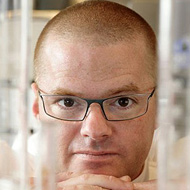
Chillis Make you Happy - Heston Blumenthal Tests Theory.

Psychology - Chillis Make you Happy

Psychologist Paul Rozin suggests that eating chilis is an example of a "constrained risk" like riding a roller coaster, in which extreme sensations like pain and fear can be enjoyed because individuals know that these sensations are not actually harmful. This method lets people experience extreme feelings without any risk of bodily harm. (1) I have read chef Heston Blumenthal gave his chef some chilli oil and monitored their brain activity on a MRI scan. It showed the part of the brain which registers heat was right next to the part of the brain which makes us feel happy! (7)

Check out more chilli facts in my Chilli Facts section or gorw some of your own to make you happy too usign these tips http://chillipepperheaven.blogspot.com/2010/12/growing-chilli-plants.html

to get your happiness levels up I would recommend trying out one of the sauces below. Just Click on the picture to get hold of some and enjoy!


(1) Paul Rozin1 and Deborah Schiller, Paul; Schiller, Deborah (1980). "The nature and acquisition of a preference for chili pepper by humans". Motivation and Emotion 4 (1): 77–101.
(2) http://www.metro.co.uk/ Chef fed chilli in brain experiment